OLED Display Solution for Rail Transit
The OLED display solution for the rail transit industry, which has been developed for many years, has been applied in multiple subway projects in related industries. For example, transparent display windows based on transparent OLED screens, hanging ultra-thin information release OLED double-sided screens in waiting halls, OLED flexible screens in corridors and waiting passages, and other different subway scene applications have given the subway a new sense of technology.
Industry Pain Points

Insufficient Reliability and Stability
It is required to run continuously for 7×24 hours for Public display screens without any problem like the the high failure rate of the display panels and control systyem, dead pixels,partial blackouts,color abnormalities and other issues, this is the point , and these malfunctions may lead to interruptions in the dissemination of critical information or even public incidents, significantly damaging government credibility and the efficiency of public information services.

Short -Lifespan and High Maintenance Costs
Frequent screen replacements require significant investment. The lifespan of light-emitting components, power suppliers, or driver IC is often insufficient, leading to rapid brightness degradation or severe color inconsistency. Additionally, the high and complex maintenance costs such as expenses for high-sky operations and spare parts , place continuous financial pressure on budgets.

Complex and Cumbersome Operation and Maintenance
Existing systems typically require professional personnel or involve cumbersome procedures. The pain points include inconsistent control systems, complicated playback software, and the manual pixel-by-pixel calibration. Daily tasks such as content updates, screen debugging, and status monitoring are inefficient, increasing both operational complexity and the risk of errors.

Poor System Compatibility and Scalability
As government information systems rapidly evolve, LED displays often need to integrate with various data sources and platforms. The key pain points lie in outdated device interfaces (e.g., support only for traditional video inputs), closed protocols, and insufficient expansion slots, making it difficult to accommodate new systems (such as smart city platforms) or add new functionalities (such as multi-screen collaboration).
Solution Value
Structural integration optimization
OLED does not require a backlight module, and its thickness can be controlled within 1mm, significantly reducing the vehicle’s weight (about 30% less than traditional LCD), reducing energy consumption, and compatible with curved designs, suitable for train curved windows or streamlined interiors.
High contrast and all-weather visibility
The self luminous feature achieves infinite contrast and maintains clear display in strong light environments (such as elevated platforms) or dark tunnels, supporting passengers to quickly read information.
Interaction upgrade and intelligent service expansion
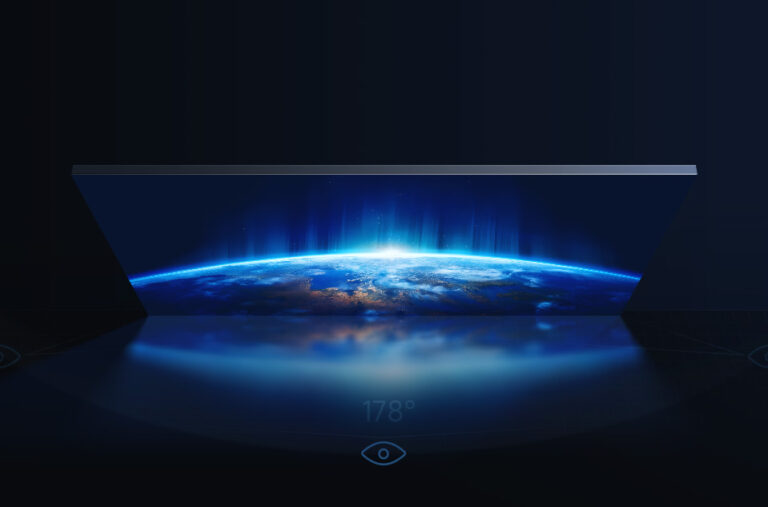
Support touch or gesture interaction, turning the transparent screen into an “intelligent window” where passengers can check nearby attractions, book taxis, etc., enhancing their travel experience; The operation and maintenance end can monitor the screen status through built-in sensors, reducing maintenance costs.
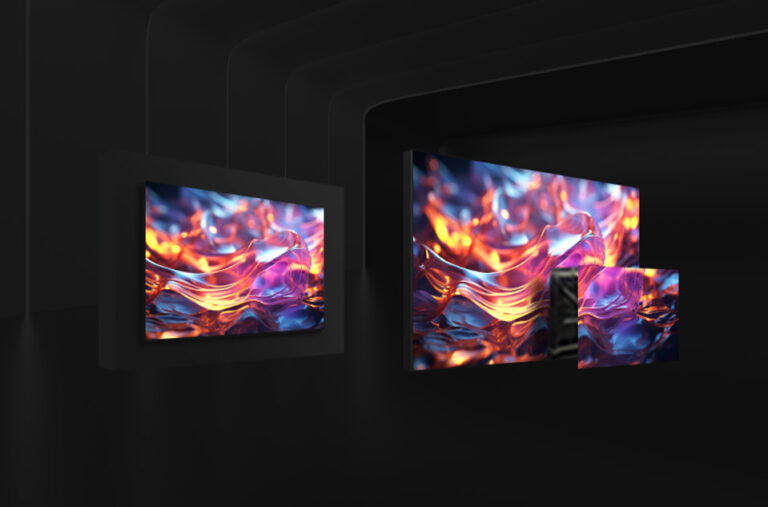
Dynamic Information Visualization and Spatial Transparency Balance
Through high transparency (up to 40% -70%) transparent display technology, real-time train dynamics (such as speed, arrival information), transfer guidance, or emergency notifications are displayed on windows, partitions, or platform screens, while maintaining unobstructed passenger visibility and alleviating the sense of oppression in enclosed spaces.
Application Scenarios
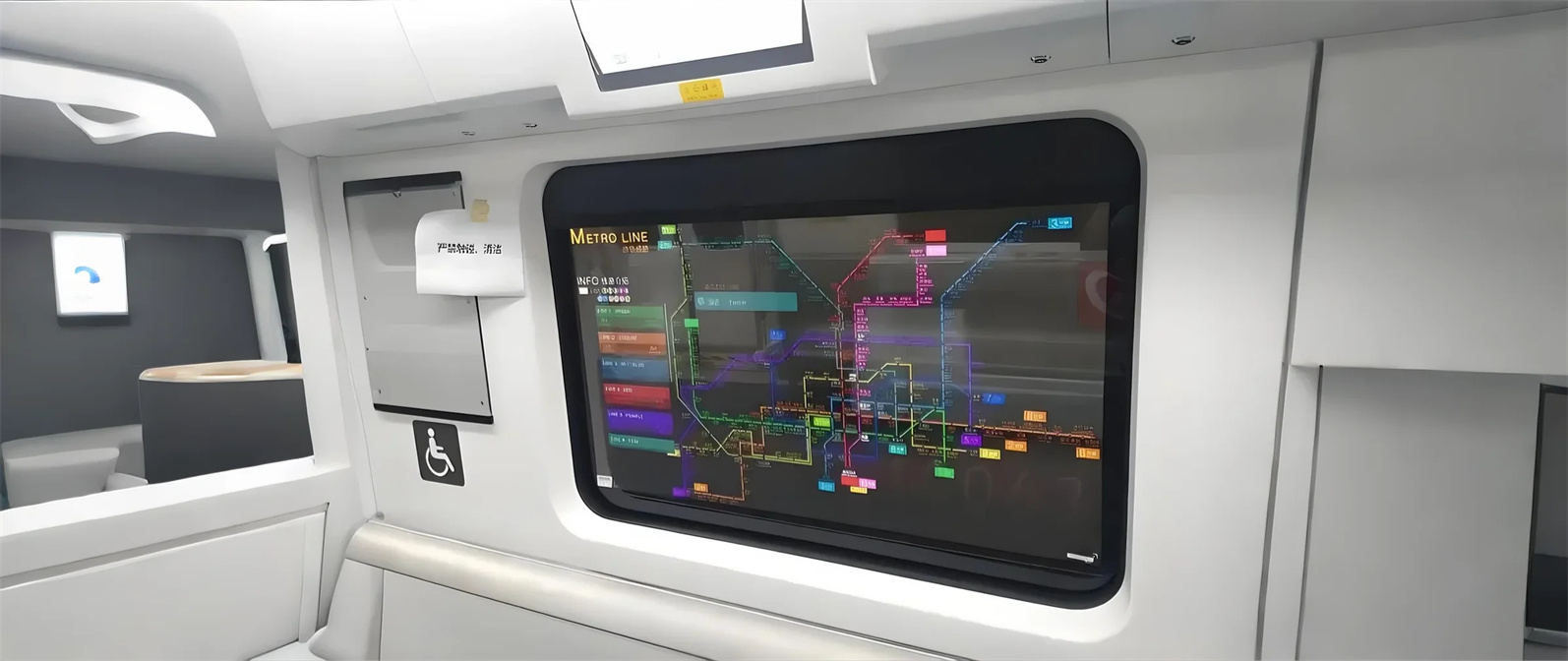
Application of subway car windows
Enhance information transparency: By utilizing the high transparency feature of OLED transparent screens, natural integration between the screen and the background environment can be achieved, while clearly displaying key content such as subway arrival information and transfer guides, improving information acquisition efficiency.
Enhance visual experience: By utilizing the characteristics of OLED screens such as self illumination, vivid colors, and high contrast, passengers can enjoy a more vivid and realistic visual experience, improving their ride comfort.
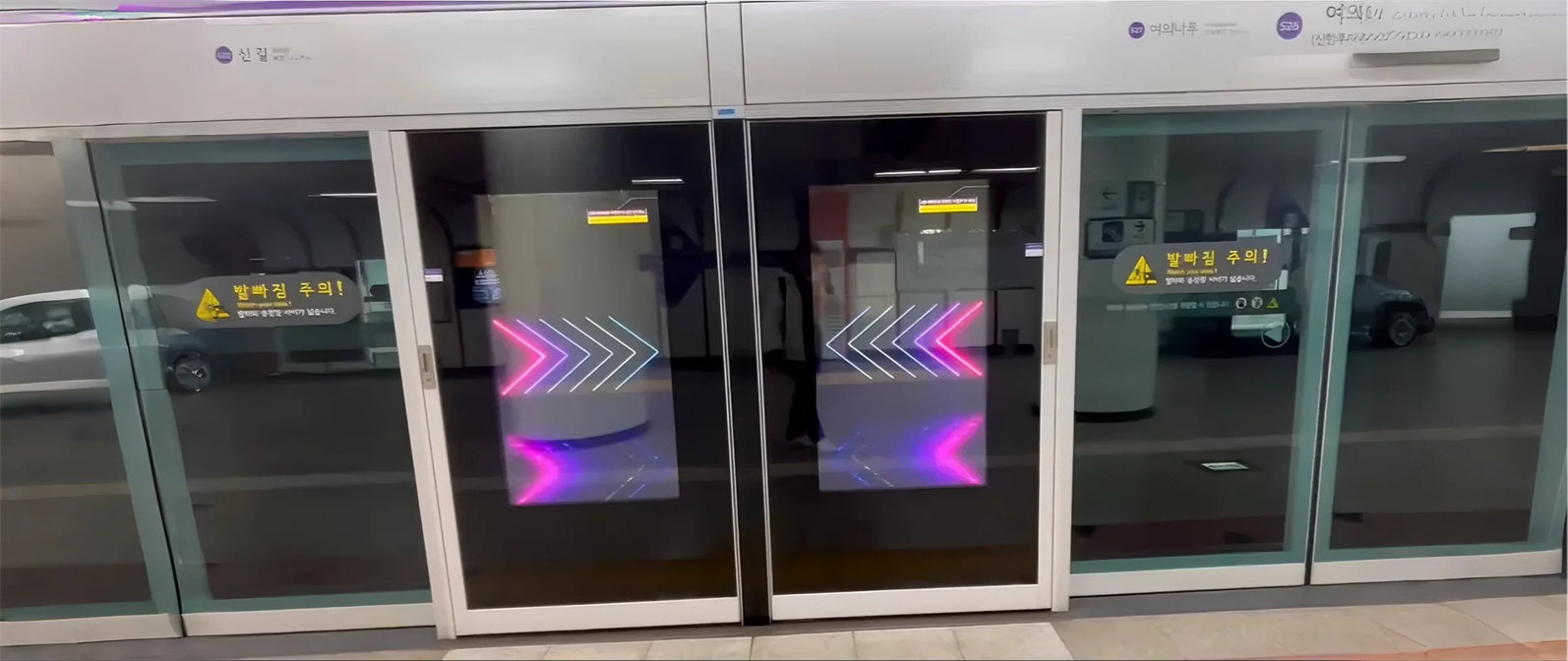
Application of OLED transparent screen in subway guardrails
Promoting business cooperation: OLED transparent screens can serve as high-end advertising platforms, attracting brand merchants to place advertisements and increasing non ticketing revenue for subway companies, without affecting information display.
Technological Leadership: Showcasing the latest achievements in information display technology in the subway industry, setting industry benchmarks, and promoting the intelligent and information-based development of the subway system.
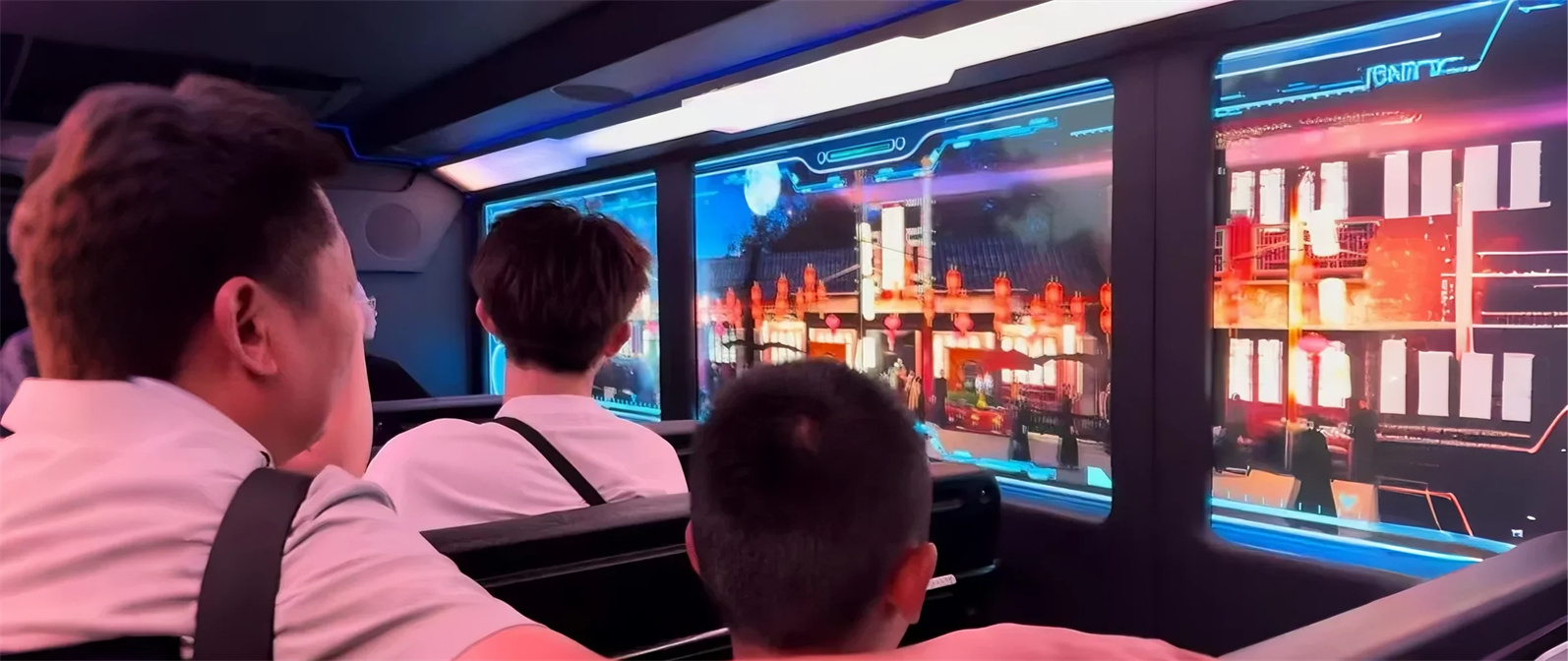
Application of OLED transparent screen on buses
High transparency: OLED screens themselves have transparency characteristics, which can display information without affecting the view of the car window.
High definition: The 55 inch large screen provides delicate picture quality, ensuring clear and distinguishable information.
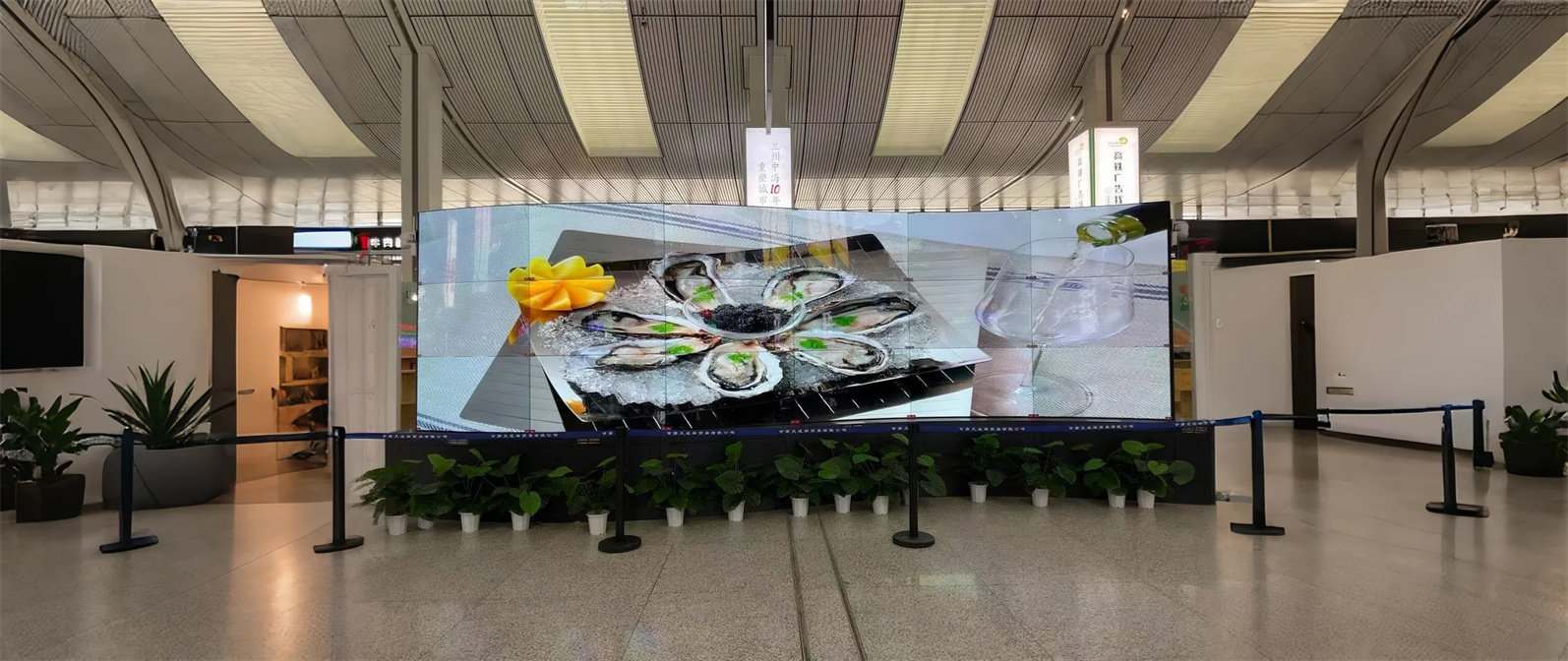
Application of OLED flexible screen splicing in passenger stations
The innovative OLED double-sided flexible screen splicing project has been successfully implemented, adding a dual charm of technology and art to this transportation hub. This project is provided by nexoled as an OLED display solution provider, offering one-stop services from design, construction to post maintenance. By using 90 pieces of 55 inch OLED flexible screens for splicing, with 18 pieces per group, a stunning visual effect and efficient information dissemination have been achieved.