
A Hebei project places the integration of a 55-inch transparent OLED screen with existing glass at the center of the installation brief.
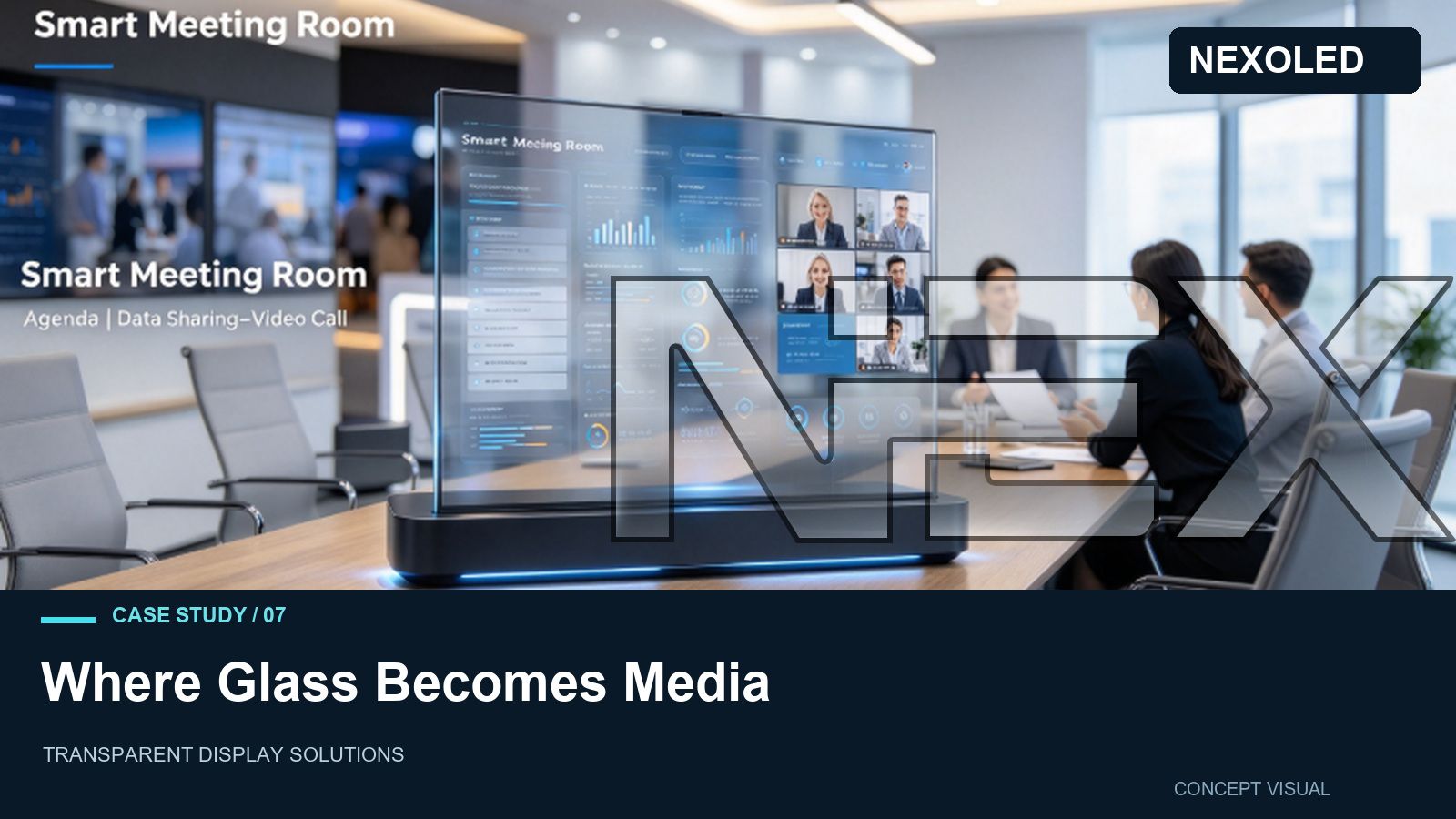
Glass is often selected to preserve openness between spaces. Adding a digital layer introduces a second requirement: the information must be visible without overwhelming the architecture. A Hebei reference project is listed as a 55-inch transparent OLED installation involving on-site glass integration. It offers a useful starting point for considering how screen and surface can be planned together.
For a similar application, the first task is to understand the existing glass, its support conditions and the surrounding environment. The project team should establish the proposed mounting method, cable path and service access with the relevant specialists. The short public listing does not identify the bonding material, glass specification or structural method, so these details should not be assumed from the project title.
A transparent surface introduces changing backgrounds into the viewing experience. A person passing behind the display, a bright window or a dark interior can change how graphics are perceived. Concise messages and clearly separated elements are sensible starting points for content trials. Readability should be checked from the actual viewing positions and under representative lighting conditions.
NEXOLED treats glass integration as a coordinated design task involving the display, the architectural surface and the content. A site-specific mock-up helps reveal visual and installation issues before final assembly. This reference confirms an application category and panel size, while the panel count, customer identity and measured results remain undisclosed. A new proposal should establish its own technical requirements rather than inherit unverified assumptions.
Explore a transparent display solution for your space with NEXOLED.

Tel:+86-18576612314
Email:admin@nexoled.com
WhatsApp:+86 17777782574
