

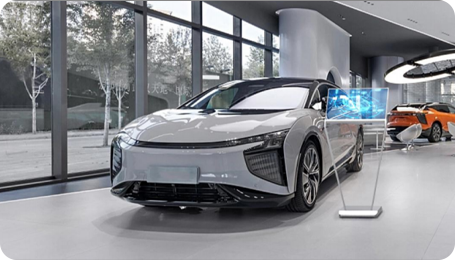
Transparent MicroLED displays are becoming an important option for brands, museums, retailers, and public-space designers who want digital content without blocking the physical environment behind the screen. However, choosing the right display is not simply a matter of comparing screen size. Project teams must consider the viewing environment, content, installation method, brightness, transparency, service access, and long-term maintenance.
Start with the purpose of the display
Every transparent display project should begin with a clear communication goal. A retail window may need to attract pedestrians and support product storytelling. A museum installation may need to present information while keeping an artifact visible. A corporate exhibition hall may require a flexible visual layer that works with physical samples and architectural features.
The purpose affects the content format, viewing distance, interaction method, and screen location. Defining these requirements early helps the project team avoid selecting a display that looks impressive but does not support the visitor experience.
Evaluate the viewing environment
Ambient light is one of the most important factors in display selection. A screen installed near a storefront may face changing daylight, reflections, and direct light. A museum or indoor exhibition may have more controlled lighting but stricter requirements for visual integration.
Before making a decision, review the installation location during different times of day. Check the distance between the audience and the screen, the background objects behind it, the expected viewing angles, and the available space for cables and control equipment. These details influence the required brightness, content contrast, and installation design.
Balance transparency and image performance
Transparency is valuable because it allows the display to work together with the physical environment. Visitors can see the object, product, or architectural feature behind the screen while digital content adds context and movement.
Image performance still matters. The display should present readable text, strong contrast, and stable color reproduction for the intended content. Large titles, simple graphics, and carefully designed motion often work better than dense layouts. Content designers should test real media on a sample screen before final installation.
Choose the right installation approach
Transparent MicroLED displays can be integrated into retail windows, exhibition structures, product showcases, museum cases, and other customized environments. The installation plan should define how the screen will be supported, where the control system will be placed, and how technicians will reach the equipment for service.
Projects with limited depth may require a compact structure. Installations with multiple screens need careful alignment, signal management, and content synchronization. A complete solution should include mechanical integration, control, power planning, content testing, and commissioning rather than treating the display as an isolated component.
Plan content for transparent display
Transparent screens are most effective when the content respects the background. High-contrast elements are easier to read, while excessive detail can compete with the physical object behind the screen. Motion should guide attention without making the space feel crowded.
For retail applications, content may highlight product features, seasonal campaigns, or brand stories. For museums, it may provide timelines, translations, conservation information, or interactive explanations. For corporate spaces, it may combine product demonstrations with data and brand history.
Ask about customization and support
Each project has different requirements for dimensions, mounting, content management, and environmental conditions. A qualified display supplier should be able to discuss the intended application, review drawings, recommend a suitable configuration, and explain testing and support procedures.
It is also useful to confirm the full delivery scope. Ask whether the proposal includes the display, control system, structure, installation guidance, content testing, spare parts, and after-sales service. Clear responsibilities at the beginning can reduce delays during installation.
A practical selection checklist
- What is the main purpose of the display?
- How much ambient light is present at the installation location?
- What objects or architectural features must remain visible behind the screen?
- What are the typical viewing distance and viewing angles?
- How will the screen be mounted, powered, controlled, and serviced?
- What content format and update process will the project use?
- Which parts of the project require customization?
Build the solution around the experience
The best transparent MicroLED projects connect technology, content, and space. The display should make the physical environment more informative and engaging, while remaining visually integrated when digital content is not playing.
NEXOLED develops transparent OLED and MicroLED display solutions for retail, exhibitions, museums, transportation, and commercial spaces. Explore the transparent display product range or review the display solution applications to discuss the right direction for your project.
