

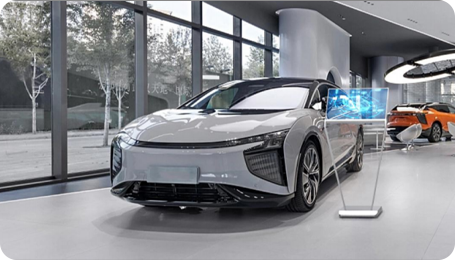
OLED splicing displays allow several panels to work together as one larger visual system. In transparent display projects, splicing can create a stronger information surface while preserving the relationship between the screen and the physical environment.
Why use a spliced OLED display?
A multi-screen system can support larger content, wider compositions and more flexible layouts. It can be used behind or in front of products, cultural objects, architectural elements and brand installations.
Key planning considerations
Panel alignment, mounting tolerance, signal distribution, content synchronization and maintenance access all influence the final result. The supporting structure should be designed at the same time as the display layout.
Applications across commercial spaces
OLED splicing displays can support museum interpretation, corporate showrooms, retail storytelling and exhibition graphics. The content can be organized as one large visual story or as several coordinated information zones.
NEXOLED provides transparent display products and customized integration support for commercial display projects.
